Policy and Professional Partners
The I-HEAL Policy and Professional Partners (PPP) are leaders from national organizations, healthcare systems, and professional associations that influence how care for individuals with traumatic brain injury (TBI) is delivered.
Who are I-HEAL’s Policy and Professional Partners?
These partners represent disciplines including rehabilitation medicine, neuropsychology, nursing, policy, and advocacy. Their participation ensures that I-HEAL’s research reflects the realities of clinical practice, provider training environments, and policy priorities that shape brain injury care.
PPP members bring insight from the organizations they represent, helping translate research findings into strategies that can be implemented within healthcare systems, professional networks, and national organizations. Their expertise supports I-HEAL in designing studies, refining data collection tools, interpreting findings, and identifying practical pathways for dissemination and implementation.
How do Policy and Professional Partners Provide Insight?
Our Policy and Professional Partners are BUSY. As leaders in their organization and careers, the PPP have many demands on their time. I-HEAL engages these stakeholders through quarterly meetings and targeted consultations where PPP members provide feedback across multiple phases of research. Partners review recruitment strategies, data collection tools, and project findings to ensure that innovations developed through I-HEAL are feasible for clinicians, responsive to patient and caregiver needs, and relevant for diverse practice settings.
Methods to Gather Feedback on Meetings and Implementation
Policy and Professional Partner Quarterly Meeting Survey
PPP members complete a short survey evaluates meeting effectiveness and ongoing collaboration. Reponses from PPP guide project activities, collaboration, and implementation. Responses also help refine meetings to increase effectiveness.
Dissemination and Implementation (D&I) Survey
Each PPP member completes a Dissemination and Implementation (D&I) Survey to identify how I-HEAL project findings can be shared and applied within their organizations. The survey explores existing channels for communication, clinician training, policy engagement, and clinical guidance to understand available dissemination pathways. Survey responses support each I-HEAL team’s dissemination and implementation strategies across diverse practice settings.
Meeting I-HEAL’s Policy and Professional Partners
I-HEAL’s Policy and Professional Partners represent leading organizations in brain injury care,
rehabilitation, research, and advocacy. These partners bring expertise from national professional
societies, healthcare systems, and policy organizations that shape how care is delivered for individuals
with traumatic brain injury. Through their participation in the Community Engagement Council, PPP members
help ensure that I-HEAL’s research is aligned with clinical practice, professional training, and implementation
pathways within the organizations they represent.
Together, these partners represent organizations that influence clinical care, professional education, and policy
guidance for brain injury rehabilitation across the United States.
Doug Bidelspach


Captain Indira Harris
Stephani Kelly
William Perry
Angelle Sander
Kathryn Stout
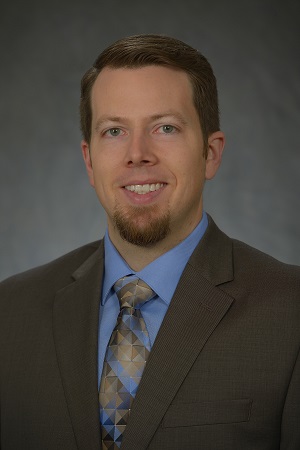
Randel Swanson
Rebeccah Wolfkiel
How Policy and Professional Partnerships Expand I-HEAL’s Reach
Policy and Professional Partners play an important role in expanding the reach of I-HEAL’s work through their professional networks, organizations, and dissemination platforms.
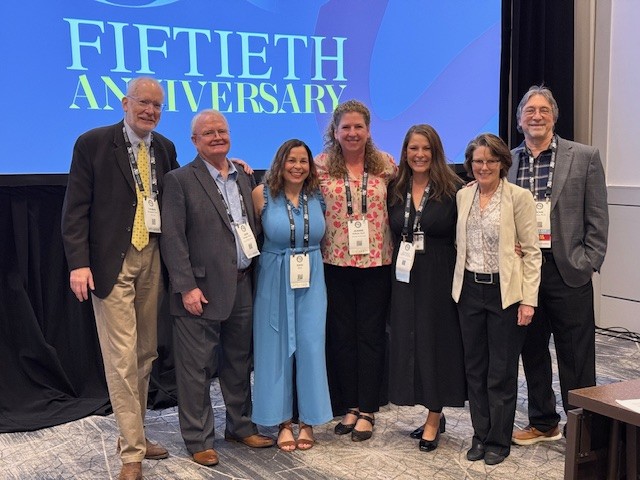
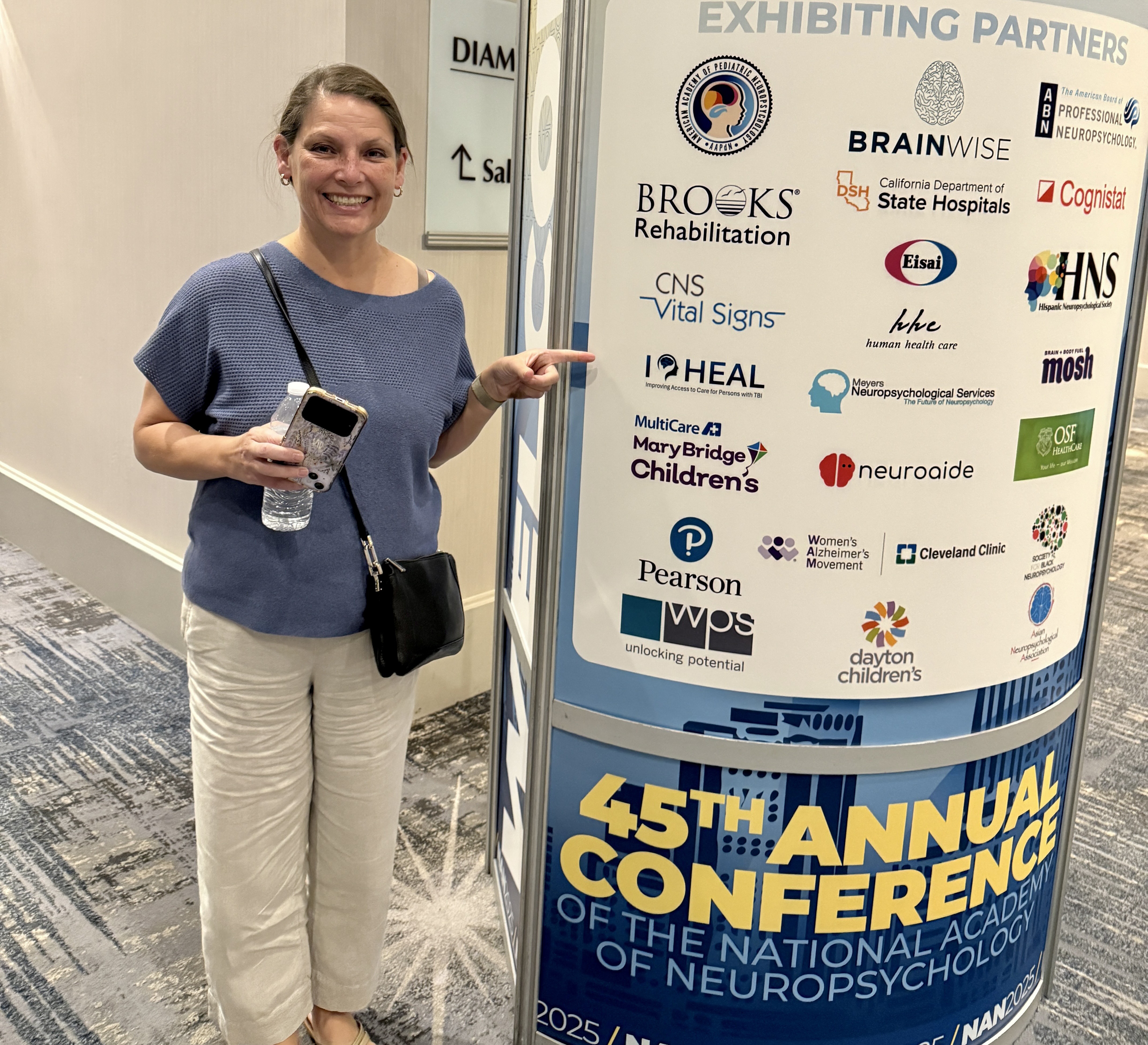
PPP member William Perry, Executive Director of the National Academy of Neuropsychology, collaborated with the I-HEAL team to develop a four-hour instructional pre-conference workshop for the 2025 National Academy of Neuropsychology annual meeting. The workshop focused on high-quality, equitable, evidence-based brain injury rehabilitation. It also included contributions from I-HEAL investigators and a Lived Experience Partner and highlights research and innovations developed through the grant.
PPP members have also identified dissemination opportunities through organizations such as the Association of
Academic Physiatrists, the American Congress of Rehabilitation Medicine, the Association of Rehabilitation
Nurses, and the Veterans Health Administration. These partnerships create pathways for sharing research findings
through conferences, professional publications, clinician training opportunities, and organizational communication
channels.
Through these collaborations, the Policy and Professional Partner group helps ensure that I-HEAL’s research reaches
clinicians, healthcare systems, and organizations working to improve care and quality of life for individuals living
with brain injury.